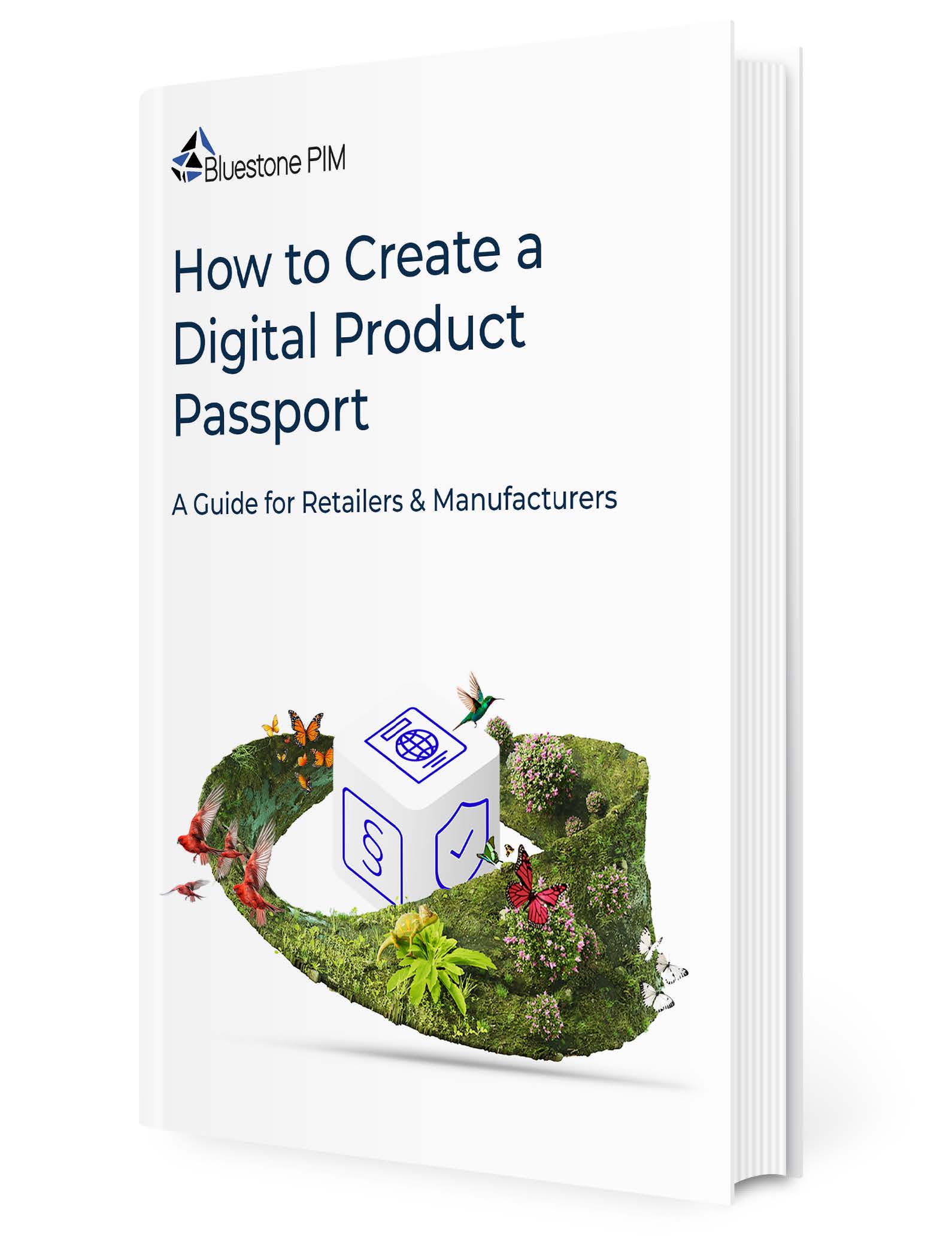
Digital Product Passport Solution

Digital Product Passport Solution Built on Structured Product Data

Bluestone PIM provides a Digital Product Passport (DPP) solution specifically designed for manufacturers and brands.

This platform enables easy compliance with EU regulations, accurate product data sharing, and strong support for the circular economy.
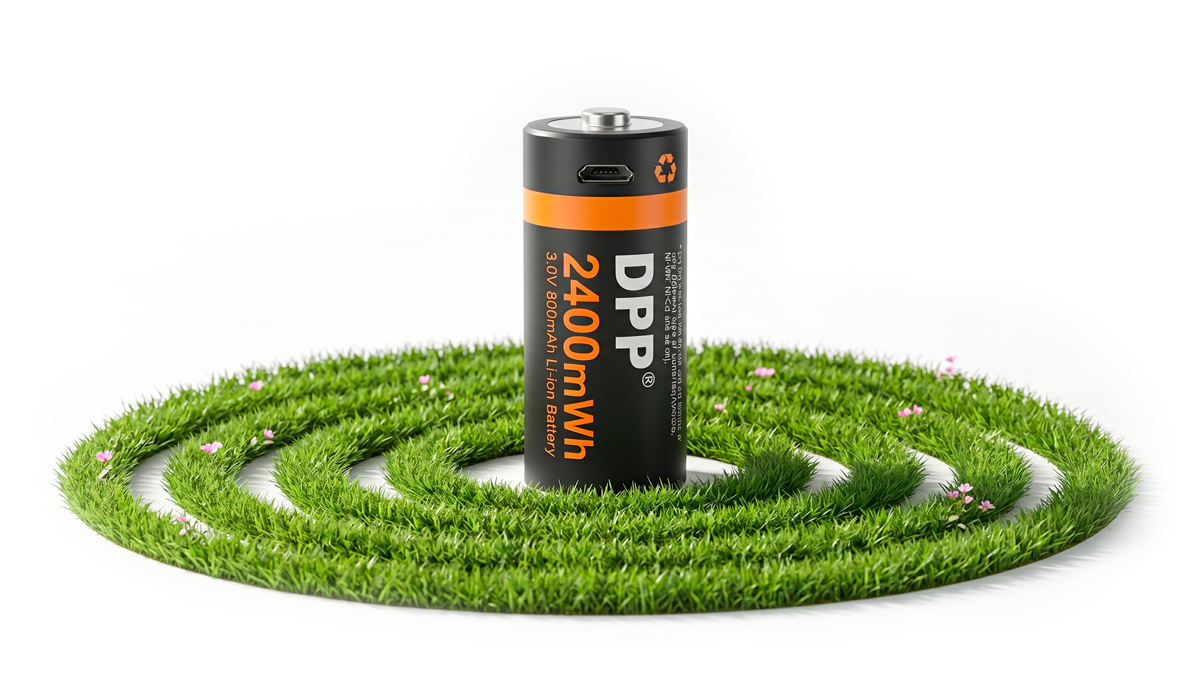
dpp-graphic-hero

What Is a Digital Product Passport?

A Structured Digital Identity for Products in the EU Market

The Digital Product Passport (DPP) is a digital record containing structured and verified product data. It forms part of the Ecodesign for Sustainable Products Regulation introduced by the European Commission and will gradually apply to most products placed on the EU market.

While specific requirements vary by sector, the principle remains the same: product data must be structured, validated and continuously maintained.

ico_x2  Each Digital Product Passport must:

tick  Link to a unique product identifier

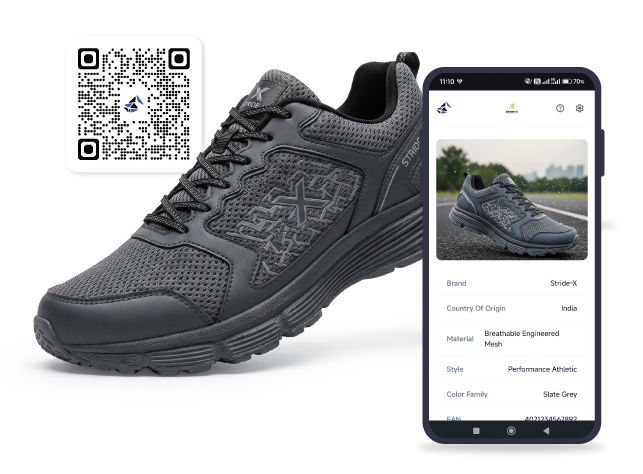
 Be accessible via a data carrier such as a QR code

 Contain interoperable, machine-readable information

 Support traceability across the value chain

What Is a Digital Product Passport?

A Structured Digital Identity for Products in the EU Market

The Digital Product Passport (DPP) is a digital record containing structured and verified product data. It forms part of the Ecodesign for Sustainable Products Regulation introduced by the European Commission and will gradually apply to most products placed on the EU market.

While specific requirements vary by sector, the principle remains the same: product data must be structured, validated and continuously maintained.

dpp-graphic
dpp-ebook

DOWNLOAD FREE E-BOOK

Preparing for the Digital Product Passport Regulation

Between 2027 and 2030, the Digital Product Passport will become mandatory for most products sold in the EU. Manufacturers and brands must be ready to disclose structured, verifiable lifecycle data or risk delays, disruption and compliance exposure.

This guide breaks down what the regulation requires, what timelines to expect, and how to prepare now with a clear, structured approach.

Download E-book Now ↓

DPP Compliance Begins with Product Data Readiness

The Digital Product Passport (DPP) is becoming mandatory for most products sold in the EU between 2027 and 2030. The obligation to create and maintain the passport sits primarily with manufacturers placing products on the EU market.

Compliance starts with structured, governed product data. Bluestone PIM provides the system of record required to build, manage, and scale Digital Product Passport across your organisation.

Digital-Product-Passport-Solution-for-Fashion-1

How to Create a Digital Product Passport with Bluestone PIM

Bluestone PIM makes the Digital Product Passport (DPP) process simple for manufacturers and brands. Here’s how it works in practice:

1
dpp copy-03

Gather all product data in one place

Collect information about your products from different sources, like your ERP, supplier spreadsheets, and sustainability databases and bring it together in Bluestone PIM. This creates a single source of truth, so nothing gets lost or duplicated.

2
dpp copy-04

Organise and standardise your data

Make sure the information matches what’s required for the DPP. For example, record details about materials, environmental impact, certificates, and end-of-life instructions in a structured, machine-readable format.

3
dpp copy-05

Link documents and certificates

Attach official certificates, test results, and other supporting documents to each product profile. This ensures you can always prove compliance when regulators or partners ask.

4
dpp copy-06

Assign a unique identifier to every product

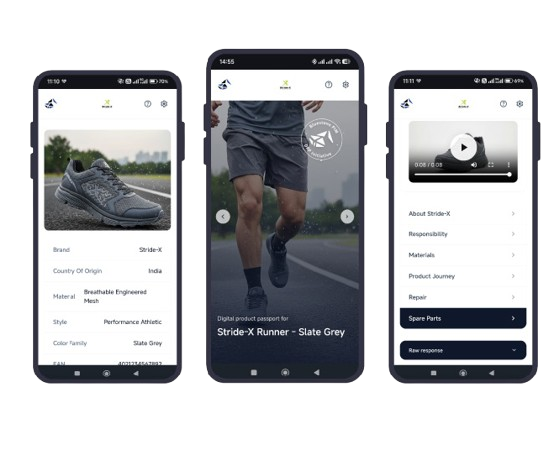
Generate a QR code or other data carrier for each product. When someone scans it, they see all the required passport data, presented in a clear, branded format (such as a microsite).

5
dpp copy-07

Check and update data automatically

Bluestone PIM flags missing or outdated information before you publish it. If you update something (like a certificate or material), the DPP is updated everywhere automatically, no manual rework required.

6
dpp copy-08

Keep everything audit-ready

Every change is tracked. You have an automatic audit trail, which makes compliance easy and supports future regulatory checks.

Each of these stages requires governed product data workflows, supplier integration and structured validation, capabilities embedded in Bluestone PIM’s architecture.

Digital Product Passport Requirements:
What Manufacturers and Brands Must Prepare For

While delegated acts will define sector-specific requirements, companies should prepare to manage:

dpp-ico-09Material composition and recycled content
dpp-ico-10Environmental impact metrics and carbon footprint data
dpp-ico-11Repair and disassembly instructions
dpp-ico-12Compliance certificates and safety documentation
dpp copy-06Unique product identifiers
dpp-ico-13Data traceability and audit history

For manufacturers and brands, this means aligning product development, sustainability, compliance, and IT within a unified product data environment.

Digital Product Passport by Industry

dpp-Manufacturing

Digital Product Passport for Manufacturing

Industrial and multi-component manufacturers must align complex supply chains with structured sustainability and compliance datasets. Digital Product Passport readiness depends on harmonising engineering data, supplier declarations and regulatory documentation within one governed environment.

Explore: Digital Product Passport for Manufacturing →

dpp-retail

Digital Product Passport for Retail

Retailers must ensure that passport information provided by manufacturers is accurate, accessible and technically interoperable. Structured supplier data integration and validation workflows become critical to avoid compliance gaps across marketplaces and omnichannel platforms.

Explore: Digital Product Passport for Retail →

dpp-fashion

Digital Product Passport for Fashion

Textiles and footwear are among the first sectors prioritised under the EU Digital Product Passport rollout. Producers must disclose material composition, recycled content and lifecycle impact data at scale. Supplier integration and structured material data modelling become essential.

Explore: Digital Product Passport for Fashion →

dpp-electric

Digital Product Passport for Electronics

Electronics and ICT products face heightened scrutiny around repairability, hazardous substances and component traceability. Digital Product Passport implementation requires detailed bill-of-material governance and lifecycle transparency across complex supplier networks.

Explore: Digital Product Passport for Electronics →

dpp-furniture

Digital Product Passport for Furniture

Furniture and home products are expected to face requirements related to material origin, durability and recyclability. Manufacturers must structure wood sourcing data, sustainability certifications and end-of-life guidance within controlled product data models.

Explore: Digital Product Passport for Furniture →

dpp-furniture

Not listed?

We're here to help. A direct, technical conversation about your specific challenges and goals.

Get Custom Advice

Digital Product Passport Timeline

The Digital Product Passport regulation is being rolled out in phases, starting with high-impact sectors such as textiles, electronics, batteries and construction products.

Manufacturers carry the primary responsibility for ensuring that product data is accurate, structured and accessible.

The challenge is rarely the lack of data. It is the fragmentation of data across:

ERP systems

Supplier spreadsheets

Sustainability databases

PLM tools

Manual documentation processes

Without central governance, organisations face duplicated work, inconsistent reporting and regulatory exposure. Forward-thinking manufacturers are already investing in structured product data foundations to avoid disruption later.

Product/Measure Indicative Timeline for Adoption
Textiles/Apparel 2027
Tyres 2027
Furniture 2028
Mattresses 2029


Intermediate Products  
Iron & Steel 2026
Aluminium 2027


Horizontal Requirements  
Repairability (including scoring) 2027
Recycled content and recyclability of electrical and electronic equipment 2029

Why Choose Bluestone PIM’s DPP Solution?

Choose Bluestone PIM’s Digital Product Passport solution because it ensures your product data is always accurate, validated, and ready for EU compliance without manual effort.

dpp-ico

One place for all product data

Bluestone PIM keeps every Digital Product Passport detail organised in one system. No more missing fields or juggling spreadsheets, everything is consistent and ready to use.

dpp copy-07

Compliance checks built in

The platform automatically flags missing or outdated product data, like expired certificates or incomplete sustainability information, before it causes compliance problems.

dpp copy-08

Updates flow everywhere automatically

Make a change in Bluestone PIM and it updates across Digital Product Passports, sales channels, and regulatory systems, so everyone sees the right information, every time.

Bluestone PIM: A Digital Product Passport Foundation

From Product Data Hub to DPP-Ready Platform

Bluestone PIM is already architected to centralise and distribute product information across channels and systems. Extending this capability to Digital Product Passport requirements is a natural evolution.

What Bluestone Provides Today

Single source of truth for product and sustainability data

Structured enrichment workflows

Attribute validation rules

API-first architecture

Integration capabilities with external compliance services

Energy Label PBC (EPREL service support)

Integrations with the DPP Service providers

Bluestone PIM ensures that compliance content and commerce content are governed within one structured system

dpp-graphic-mobile-

Coming Soon: DPP Manager

Bluestone is actively developing an advanced DPP Manager module designed to further support Digital Product Passport implementation.

Planned capabilities include:

construction-ico-08

Pre-configured DPP data models aligned with evolving EU specifications

construction-ico-08

Validation templates for required sustainability fields

construction-ico-08

GS1 Digital Link and QR code generation

construction-ico-08

Extended audit trail functionality for critical compliance attributes

As Digital Product Passport regulation evolves, Bluestone will continuously adapt its platform to align with new delegated acts and industry standards.

Our approach is pragmatic: build a stable product data foundation first, then extend intelligently as regulation matures.

From Regulatory Obligation to Strategic Product Data Advantage

Digital Product Passport regulation will expose weaknesses in fragmented product data architectures.

DataModeling

With structured product data in place, companies can:

✅ Improve sustainability reporting

Strengthen supplier accountability

✅ Enable consumer transparency

✅ Support ESG strategies

✅ Accelerate time-to-market for compliant products

✅ Build trust in sustainability claims

Sustainability governance requires operational alignment across departments. For Starboard, Bluestone PIM became that alignment layer.

Our Bluestone PIM system has become the backbone of our crossteam sustainability efforts. With all our product data in one place, our teams can collaborate better and rely on accurate, up-to-date Information.

When we make a product more sustainable — like switching to a greener material — that change is reflected everywhere automatically. It’s helped us save time, improve reporting, and focus more on creating new eco-friendly ideas instead of chasing down data.

Pitchapa Lekpetch
Eco Project Coordinator
Pitchapa

Bluestone PIM has brought clarity, speed, and structure to our operations, and has made a noticeable difference in both day-to-day tasks and long-term scalability.

We confidently recommend Bluestone PIM to any company looking to streamline product management, improve operational efficiency, and support digital growth.

Ava Hider
Eco Sales and Marketing Coordinator
Ava

“The flow from the start of the product to the end product is easier and faster. We provide better quality products to our customers. With Bluestone PIM, we can easily integrate with other platforms and now we work better between different parts of the organization to provide better quality data.”

Thomas Fehn

Thomas Fehn,

Chief Digital Information Officer at St. Gobain Distribution Nordics

“After having evaluated over 40 different suppliers we believe that Bluestone PIM... is the one most capable of providing the flexibility needed for our product data and business requirements.”

Viktor Lövgren

Viktor Lövgren,

IT Project Manager at Starboard

“Isola selected Bluestone PIM due to its functionality, platform flexibility, and a rich portfolio of additional Apps that makes it easy to expand our solution on demand.”

Christine Øvrum Halvorsen

Christine Øvrum Halvorsen,

Web Editor at Isola

"Bluestone PIM: User-Friendly And Cost-Effective! The system has met our needs and we are satisfied with the service and support provided by Bluestone PIM. We would recommend it to other businesses looking for a reliable and efficient Product Information Management solution."

construction-1

Construction Industry

IT Manager

"Great Solution For Delivering Product Information In Multiple Channels. Ease of use for the user. Developer accessibility and ease of use of the API endpoints to plug into other apps and deliver experiences."

manufacture-1

Manufacturing Industry

Head of IT and ecommerce

"A Fantastic Tool That Is Scalable, Affordable And Fits Well Into The Market. This is a fantastic scalable tool that fits our services well. Scalability, flexibility and they take responsibility in the industry."

transport_icons

Transportation Industry

Digital Marketing Manager

Book a Digital Product Passport Consultation to Assess Your Readiness

Book a Digital Product Passport Consultation
to Assess Your Readiness

"Bluestone PIM acts as the central product data layer behind your Digital Product Passport strategy, ensuring that every required attribute is structured, validated and consistently distributed across systems, markets and compliance platforms."

Borgar

Borgar Hestad
Chief Sustainability & Digital Trust Officer at Bluestone PIM

Contact our experts
borger-img

"Bluestone PIM acts as the central product data layer behind your Digital Product Passport strategy, ensuring that every required attribute is structured, validated and consistently distributed across systems, markets and compliance platforms."

Borgar Hestad
Chief Sustainability & Digital Trust Officer at Bluestone PIM

Contact Our Expert ↓

Prepare for the EU Digital Product Passport Regulation

Digital Product Passport implementation starts with data. Build your foundation now.

extension-hub2

Frequently Asked Questions

1 - What should I look for in a Digital Product Passport solution?

A Digital Product Passport solution should provide more than QR code generation or document hosting. It must support structured, governed and auditable product data management.

Key capabilities to look for include:

  • Flexible data modelling aligned with evolving DPP requirements
  • Validation rules to ensure completeness and accuracy
  • Traceability and audit history for compliance
  • API-based integration with suppliers and DPP providers
  • Scalability across product categories and markets

Bluestone PIM provides this governed foundation, enabling organisations to structure, validate and distribute DPP data reliably.

2 - Why Are Digital Product Passports Important in 2026 and Beyond?

  • EU regulatory compliance: DPPs are legally required for electronics, batteries, textiles, and more.
  • Supply chain resilience: Instantly share up-to-date product data with partners and customers.
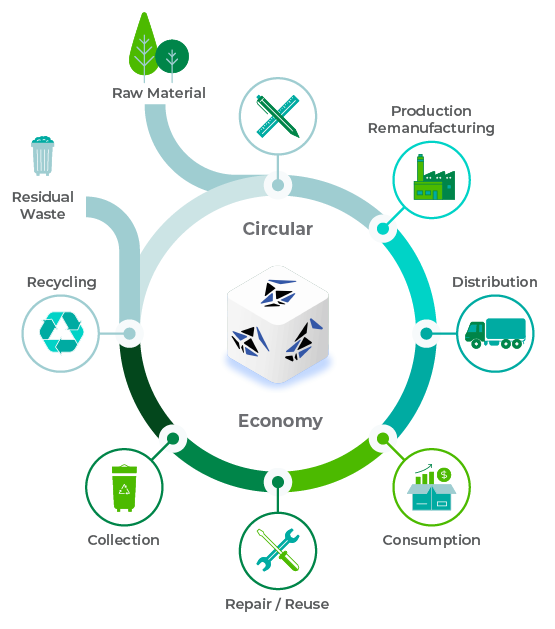
  • Circular economy leadership: Facilitate reuse, repair, and recycling at scale.

3 - How do I compare different Digital Product Passport software or vendors?

When evaluating Digital Product Passport software, focus on architecture and data governance rather than surface features.

Ask:

  • Is the solution built on structured data modelling or static templates?
  • Can it adapt to new delegated acts and sector-specific rules?
  • Does it provide validation and audit controls?
  • Is it API-first and integration-ready?
  • Does it scale across multiple product lines and geographies?

Some vendors focus primarily on front-end passport presentation. Others, like Bluestone PIM, focus on the commercial product data layer behind the passport.

4 - How long does it take to deploy a DPP system?

Deployment timelines depend largely on the maturity of your existing product data landscape.

If sustainability and compliance information already exists within a structured environment, extending your data model to cover DPP requirements can be relatively efficient. If, however, data is scattered across spreadsheets, supplier documents and disconnected systems, preparation will take longer.

A phased approach is often the most effective. Bluestone PIM allows organisations to establish a stable product data backbone first, then progressively extend it to support full Digital Product Passport integration.

5 - How does API work in Bluestone PIM’s DPP solution?

Bluestone PIM is built on an API-first architecture, which means that all structured product data, including DPP-related attributes, can be securely accessed and distributed across systems.

In practical terms, API endpoints allow product data to flow between ERP systems, PLM platforms, supplier portals and external DPP services. They also enable integration with QR code infrastructure and GS1 Digital Link standards.

6 - How does Bluestone PIM handle ongoing changes in DPP regulations?

Digital Product Passport regulation is evolving through delegated acts and sector-specific updates. A rigid system quickly becomes outdated.

Bluestone PIM addresses this through flexible data modelling and configurable validation logic. New attributes, data structures or regulatory requirements can be introduced without redesigning the entire system architecture.

This adaptability ensures that organisations remain compliant as regulations mature, without facing repeated reimplementation costs.

7 - Can Bluestone PIM automate DPP data validation?

Yes. Bluestone PIM supports rule-based validation that monitors data completeness, structure and consistency.

Organisations can configure required attributes, enforce formatting standards and prevent incomplete records from being distributed. This reduces manual checking and improves confidence in the integrity of passport data.

Automated validation is particularly valuable when managing large product portfolios across multiple markets.

8 - Does Bluestone PIM support QR code and GS1 Digital Link integration for DPP?

Bluestone PIM supports integration with QR code systems and GS1 Digital Link standards through its API framework. This enables physical products to be linked directly to structured and governed passport data managed within the PIM. The QR code becomes an access point, while Bluestone ensures the underlying information remains version-controlled and auditable.

The reliability of the Digital Product Passport ultimately depends on the quality of the data behind the link.

9 - How does Bluestone PIM support multi-language or localised DPPs?

Bluestone PIM supports contextual product information management, allowing organisations to maintain language-specific and market-specific attributes within the same product model.

As Digital Product Passport requirements expand across EU Member States, the ability to localise sustainability information while preserving structured governance becomes increasingly important. This ensures that passport data remains consistent, compliant and relevant across regions.