
 Product Information Management
You can tell whether the Digital Product Passport applies to your business by answering ten yes-or-no questions about what you sell, where your product data lives today, and how ready it is to be centralised and shared. This checklist walks through those ten questions, what a "yes" answer means for you, and what to fix first.
Starting in 2026, companies that manufacture, import or sell products in the EU will need to provide detailed digital information about those products, phased in by category through 2029. The Digital Product Passport (DPP) is the EU regulation driving this shift: a structured digital record showing what a product is made of, where it came from, how it affects the environment, and what to do with it at end of life, part of the EU's wider push for circular economy and traceability.
Answer "yes" to any of the ten questions below, and it's time to start getting ready.
Is Your Business Ready for the Digital Product Passport?
Here’s a quick and practical checklist to help you figure it out.
✅ Do you sell or plan to sell your products in the EU?
That’s the first and most obvious one. If you’re active in any EU country — or you’re thinking about expanding there — this regulation applies to you. Even if you’re based outside Europe, you’ll need to play by these rules if you want to keep selling there.
✅ Are your products in one of the priority industries?
Some sectors are getting hit first, but the categories fall into two separate tracks worth knowing apart.
Under the ESPR Working Plan, the indicative rollout is:
- 2026: iron and steel
- 2026–2029: energy-related products (such as heat pumps and lighting)
- 2027: textiles, tyres, and aluminium
- 2028: furniture
- 2029: mattresses and ICT products
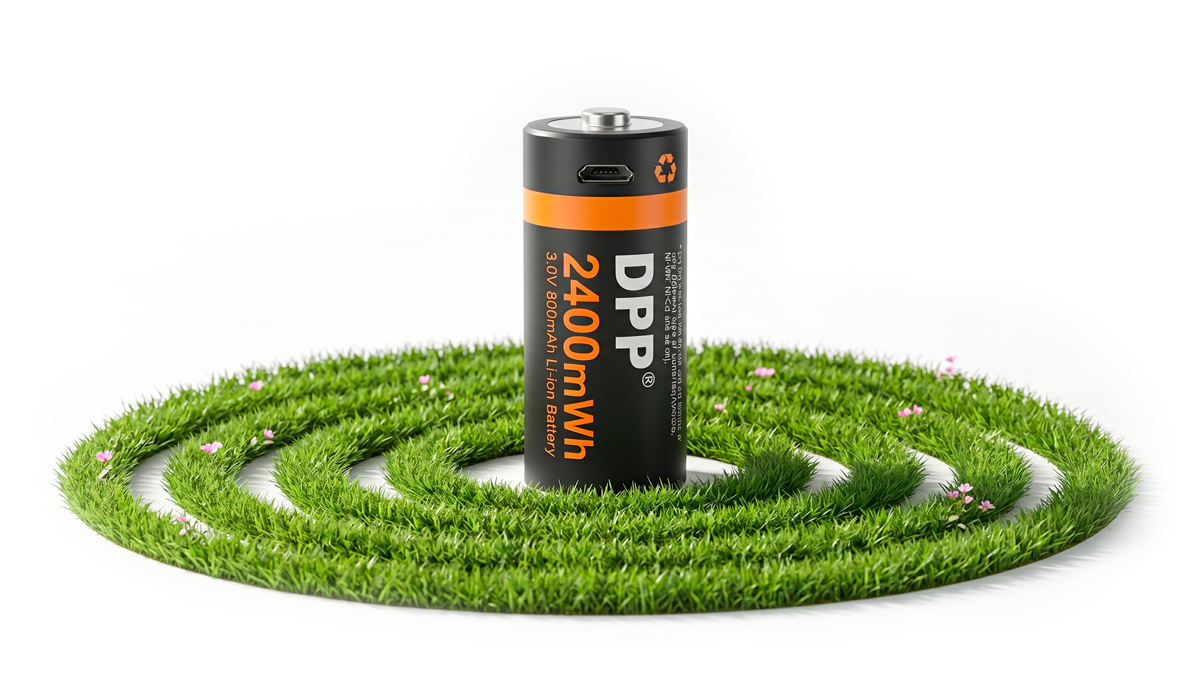
Separately, several sectors get DPP requirements through their own dedicated legislation, on different timelines: batteries (first mandatory DPPs from early 2027), construction products, toys, and packaging. Worth knowing: being listed as a priority category doesn't automatically make a DPP mandatory. It means that category is scheduled for a formal impact assessment that decides the actual requirements and compliance date. If you're in any of these industries, the deadlines will likely come sooner than you expect.
✅ Is your product traceability solid or still a bit messy?
DPP is all about traceability. You’ll need to track and share details like raw materials, sourcing, hazardous substances, and environmental impact, all the way to disposal or recycling instructions. That kind of traceability is tough to manage manually or with siloed systems.
.png?width=650&height=650&name=information-in-dpp%20(1).png) Although the required information may differ, certain data points can be included across various product categories.
Although the required information may differ, certain data points can be included across various product categories.
✅ Do you want a competitive edge by acting before the deadline?
Early movers can treat the DPP not as admin, but as a competitive edge. It’s a chance to clean up your data, rethink how you talk about sustainability, and build trust with both regulators and customers before the market catches up.
Download free e-book: How to Create a Digital Product Passport. From 2026, the regulation begins to apply to selected product groups, requiring companies to provide structured, detailed information about the products they place on the EU market.

Download free e-book
How to Create a Digital Product Passport
From 2026, the regulation will begin to apply to selected product groups, requiring companies to provide structured, detailed information about theproducts they place on the EU market.
✅ Is providing detailed product data in a digital format a challenge?
If you're relying on spreadsheets, disconnected systems, or outdated tools, you’ll need to rethink your setup. The DPP requires machine-readable, centralised, and consistent product data that’s easy to share with customs, partners, and platforms.
✅ Are you already working on your sustainability goals?
If you’re tracking emissions, sourcing responsibly, or designing for longevity the DPP gives you a way to prove it, not just say it. It turns internal efforts into verified claims that customers and partners can trust.
✅ Do your products contain anything that needs special handling?
If you manufacture or sell items that involve chemicals, batteries, adhesives, paints or anything that needs safe disposal — that info needs to be part of the digital passport.
✅ Is your supply chain spread across multiple countries or systems?
If product data is spread across five systems and six suppliers, now’s the time to sort that out. You’ll need one place to gather and manage everything. That’s where a proper PIM (Product Information Management) system can really help.
✅ Are your products designed to be repaired, reused or recycled?
If yes, good news — the DPP will make it easier to highlight that. If not, you may need to start thinking about circular design principles. Repairability, reusability and recyclability are becoming requirements — not just nice-to-haves.
✅ Are you struggling to keep product data accurate and consistent?
DPP isn’t just about having the data, it’s about managing it properly, across languages, channels, and countries. If product content is duplicated, missing, or constantly out of sync, that’s a sign you need a better approach.
What It Means If You Answered 'Yes'
Then the DPP applies to you and now is the time to act.
The good news? This isn’t just another box-ticking exercise. It’s a chance to build a more flexible, future-ready product data setup that supports growth, compliance, and sustainability in one go.
What You’ll Need To Stay Ahead
To meet the DPP requirements, you’ll need to:
-
Gather and clean up your product data
-
Store it in one place
-
Keep it accurate and up to date
-
Make it accessible — for partners, platforms, customs, and customers
-
Link it to each product via a QR code or similar tech
You’ll also need to ditch manual tools. Doing all this with spreadsheets or disconnected platforms just won’t cut it anymore.
How Bluestone PIM Helps Businesses Get DPP-Ready?
Bluestone PIM helps businesses like yours organise and share product data, forming the core of a reliable Digital Product Passport solution.
With Bluestone PIM, you get:
-
One source of truth for product content
-
Attributes for everything: origin, materials, carbon impact, disposal
-
Integration with DAMs, marketplaces, ERPs, and e-commerce platform
-
Tools to assign tasks, manage workflows, and track completeness
-
Multi-language support and bulk editing to speed things up
-
AI features to generate product content or localise at scale

Download free e-book
Case Study: Bergene Holm
Bergene Holm turned to Bluestone PIM to simplify product data management and boost digital performance. Now, their team works smarter — with automated updates, better collaboration, and centralised sustainability data.
Bonus Insight: DPP Is Just One Piece of the Puzzle
While the Digital Product Passport is a major shift in EU compliance, it’s not happening in a vacuum. Businesses are already facing a wave of external pressures — from trade wars and tariffs to supplier shifts and potential sustainability mandates. Each of these disrupts how product data is managed, especially when it’s spread across countries and systems.
That’s why future-ready companies aren’t just thinking about DPP — they’re rethinking their entire product data infrastructure to stay agile. If a 145% tariff hits overnight, or a key supplier changes, your systems need to adapt fast. A centralised, AI-powered PIM can help manage both regulatory compliance and market unpredictability — without chaos.
Ready To Take The Next Step?
If any of the 10 points on the checklist apply to your business, now’s the time to get moving. The companies that treat this as a strategy — not just a regulation — will be the ones who come out ahead.
Schedule a meeting with our experts to explore how Bluestone PIM can help you get DPP-ready.
![How To Scale SKU-Heavy Catalogues Without Duplication [Guide For Retailers]](https://www.bluestonepim.com/hubfs/How-To-Scale-SKU-Heavy-Catalogues-Without-Duplication-1.png)