


 Product Information Management
With the Digital Product Passport (DPP) regulations rapidly approaching, businesses have a valuable window of opportunity to get ready. While the deadlines and product groups have been outlined, the real focus now should be on ensuring your company is equipped to meet these new requirements.
I've already explored the core aspects of the regulations, including which industries and products will be impacted and when you can expect these changes to take effect, in my other article about the DPP.
Now, it’s time to shift attention towards how you can prepare for it.
This article provides practical steps to prepare for the DPP, guiding you through its implementation and highlighting potential challenges.
What Is the Digital Product Passport (DPP)?
The Digital Product Passport (DPP) is a structured digital record that contains detailed information about a product’s materials, origin, environmental impact, and lifecycle.
Under the Ecodesign for Sustainable Products Regulation (ESPR), the DPP creates a standardised way to share product data across the entire value chain, from manufacturers to regulators to end customers.
In practice, each product is linked to a digital record (often via a QR code) that provides:
-
Material composition and sourcing
-
Environmental and CO₂ data
-
Compliance documentation
-
Repair, reuse, and recycling guidance
The goal is simple: make product data accessible, verifiable, and usable at every stage of the lifecycle.

Download free e-book
How to Create a Digital Product Passport
From 2026, the regulation will begin to apply to selected product groups, requiring companies to provide structured, detailed information about theproducts they place on the EU market.
Why Should Businesses Prepare for DPP Now?
Preparing for the Digital Product Passport now gives you time to fix your data before compliance becomes mandatory.
The shift is not just regulatory. It changes how product information is created, stored, and shared across systems.
Companies that wait face:
-
Fragmented data spread across systems
-
Missing sustainability attributes
-
Manual processes that don’t scale
-
High risk of non-compliance or blocked market access
Companies that start early gain:
-
A reusable data foundation for compliance and commerce
-
Faster onboarding of new products and suppliers
-
Lower operational pressure as regulations expand
The DPP is not a one-off project. It’s an ongoing data capability.
Challenges Related to Digital Product Passport
The Digital Product Passport offers promising benefits, but its implementation comes with challenges. Addressing these hurdles proactively is key to successful adoption.
Here are some of the main challenges organisations may face.
1. Technological Infrastructure
Developing the necessary technological infrastructure to support the DPP, including secure databases and communication protocols, is a major undertaking.
2. Standardisation and Interoperability
Achieving a common standard for a DPP that is accepted across industries and member states can be challenging. Ensuring compatibility with existing systems and technologies is essential for widespread adoption.
3. Privacy and Data Security
Handling and sharing detailed product information brings privacy and data security concerns. Gaining the trust of businesses and consumers requires strong measures to safeguard sensitive data and prevent unauthorised access.
4. Integration with Existing Systems
Many companies already have established supply chain management and product tracking systems in place. Seamlessly integrating a new DPP system into these existing systems without causing disruption is a major challenge.
5. Complexity of the Global Supply Chain
In today's globalised economy, supply chains often span multiple countries and regions. Coordinating the implementation of the DPP across borders and ensuring international collaboration will not be easy.
6. Resistance to Change
Industries accustomed to traditional supply chain practices may face resistance when it comes to adopting new technologies. Education and awareness campaigns may be necessary to encourage companies to take advantage of the DPP.
7. Regulatory Alignment
It is crucial to align the DPP initiative with existing and future regulations at EU and national levels. Ensuring that the system complies with the various regulatory frameworks can be a complex task.
Watch our video to learn more about DPP:
Why Is a PIM System Critical for DPP Compliance?
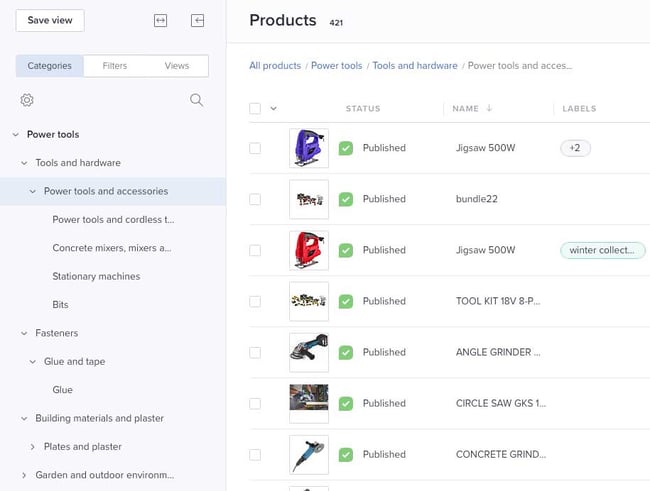
A Product Information Management (PIM) system is the foundation that makes Digital Product Passport compliance possible.
DPP depends on structured, governed, and shareable product data. Without a central system, companies rely on spreadsheets and disconnected tools that cannot support regulatory requirements at scale.
Bluestone PIM acts as that foundation by:
-
Creating a single source of truth for all product data
-
Enforcing data quality and validation rules
-
Synchronising updates across all channels and systems
-
Supporting integration with DPP providers and external platforms
This turns DPP from a manual compliance burden into a scalable data process.
A well-implemented PIM solution keeps product data consistent and accurate across various channels, becoming the central piece that holds a solid Digital Product Passport solution together.
PIM also helps different teams, such as marketing, sales, and IT, work together more effectively, keeping the business prepared to meet regulatory requirements.
From Challenge to Triumph: A Digital Product Passport Success Story
This success story highlights a forward-thinking wood products company that used Bluestone PIM to enhance its product information, focusing on sustainable e-commerce practices and climate performance to stay ahead of the competition.
For privacy reasons, the company’s name has been withheld.
Pain Points Faced by the Company
The company faced several limitations, demanding a best-of-breed SaaS PIM solution:
-
Restrictive PIM: Open-source PIM was restrictive and complex to update.
-
Scattered info: Product information was scattered, making collaboration difficult and time-consuming.
-
Website disconnected: The website was disconnected from the PIM, so frequent updates were needed.
-
Digitalisation leader: The company wanted to be the leader in digitalisation in the wood products industry.
Why the Company Chose Bluestone PIM
To address these challenges, the company implemented Bluestone PIM to integrate all data sources and sales channels into one platform.
Bluestone PIM simplifies compliance with DPP regulations, enhancing transparency, traceability, and product information quality across the supply chain. It offers a comprehensive view of product data from production to customer.
As a composable, microservices-based solution, Bluestone PIM offers flexibility and easy integration with third-party systems. It helps businesses build a tailored digital setup while staying compliant and promoting sustainability.
What Bluestone PIM Helped the Company Achieve
The implementation of Bluestone PIM resulted in several positive outcomes:
-
Regulatory compliance: Easily adapt to DPP requirements.
-
Efficient product enrichment: Centralised data, increased automation, reduced manual tasks, and streamlined processes.
-
Automated website updates: Automated updates reduce manual effort and data errors.
-
Enhanced customer experience: Tailored product data improved the customer journey.
-
Improved collaboration: Centralised data improved team collaboration and productivity.
Bluestone PIM also provides additional sustainability benefits, helping companies reduce their environmental impact:
-
Reduction in product returns: Bluestone PIM improves product content quality, helping reduce returns by up to 30%, which in turn lowers CO₂ emissions from unnecessary logistics.
-
Optimised environmental footprint tracking: With Bluestone PIM, brands can track CO₂ emissions and resource usage per product, fostering data-driven sustainability efforts.
-
Powered by green cloud infrastructure: Hosted on Amazon Web Services, Bluestone PIM benefits from up to 4.1 times greater energy efficiency than on-premises solutions, supported entirely by renewable energy.
Empowering Sustainable Choices with Bluestone PIM
Implementing the DPP is a long-term effort that requires industry-wide collaboration. As a technology provider, we're ready to support our customers and encourage other businesses to prepare. Accurate product data and efficient supply chains will be essential for staying competitive.
To learn more about how a Product Information Management solution can help you comply with the Digital Product Passport and other sustainability legislation, get in touch with our experts or book a demo meeting to receive a walkthrough of the Bluestone PIM solution.

Borgar Hestad
Chief Sustainability & Digital Trust Officer
Contact us
The Digital Product Passport launches in 2026. Prepare now.
Discover how PIM can help you comply with DPP regulations.
Thank you for submitting the form. We will reach out to you within 24 hours.

![How To Scale SKU-Heavy Catalogues Without Duplication [Guide For Retailers]](https://www.bluestonepim.com/hubfs/How-To-Scale-SKU-Heavy-Catalogues-Without-Duplication-1.png)