 Product Information Management
The fashion industry is booming, but so is its environmental cost. In Europe, textiles already rank fourth for environmental and climate impact, behind only food, housing, and transport. It’s the third biggest user of water and land, and just 1% of textile waste is recycled into new fibres. Globally, a truckload of clothing is landfilled or burned every second.
Meanwhile, consumption keeps climbing. Between 2000 and 2015, global textile production nearly doubled. By 2030, clothing and footwear demand is expected to jump another 63%.
The industry response? Some brands are already moving in the right direction, as the sustainable fashion market hit $3.6 billion in 2023 and is set to more than double by 2033. But voluntary efforts won’t be enough for long.
The European Union is bringing in a wide-reaching action plan for textiles, and one key pillar is the Digital Product Passport (DPP).
If your business sells clothing into Europe (or plans to) this matters. Whether you’re leading sustainability, handling supply chain traceability, or managing data systems, now is the time to understand what’s coming.
EU Strategy for Sustainable and Circular Textiles
To address the sector’s environmental footprint at a systemic level, the EU introduced the Strategy for Sustainable and Circular Textiles, covering both production and consumption while recognising the industry’s economic role and aligning with the European Green Deal, Circular Economy Action Plan, and European Industrial Strategy.
Key context behind the strategy:
-
Textiles extend beyond fashion into furniture, medical equipment, construction, and vehicles, yet their environmental impact continues to grow
-
Circularity in textiles represents not only an environmental priority but also an opportunity for industrial resilience, innovation, and employment growth across value chains
2030 vision for the EU textile market:
-
Products placed on the EU market are durable, repairable, recyclable, and largely made from recycled fibres
-
Hazardous substances are phased out and production respects environmental and social standards
-
Fast fashion declines as product lifetimes increase and reuse and repair services scale
-
Producers assume responsibility across value chains, supported by stronger recycling capacity and reduced incineration or landfill
Actions supporting this transition include:
-
Eco-design requirements improving durability, repairability, and recyclability
-
Deployment of Digital Product Passports to strengthen transparency and traceability
-
Measures addressing microplastic release from synthetic textiles
-
Harmonised extended producer responsibility rules across Member States
-
Restrictions on textile waste exports alongside incentives for circular business models
Digital Product Passport for Textiles: A Quiet Shift That’s About to Get Loud
Building on these strategic measures, the Digital Product Passport is one of the most tangible tools translating policy ambition into practical change across the textile value chain.
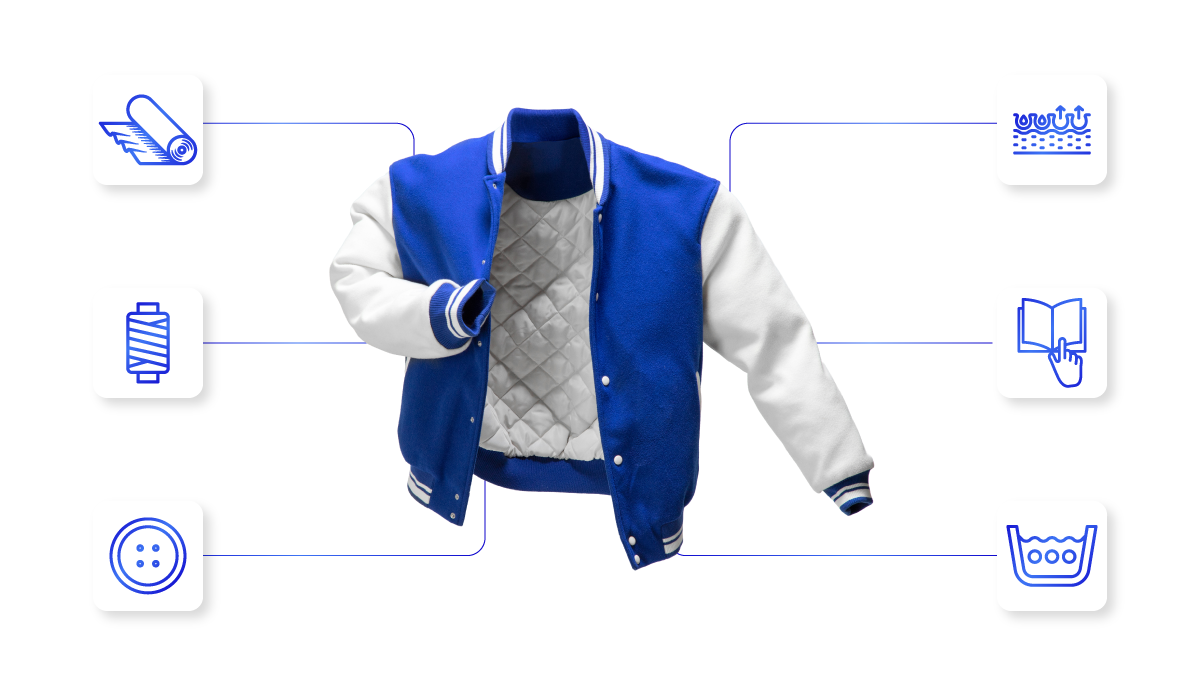
Imagine a jacket. It’s made from a mix of cotton and recycled polyester. The cotton was grown in India, spun into yarn in Turkey, woven in Portugal, stitched in Bangladesh, and dyed in Italy. It’s packed, shipped, and sold in stores in Paris.
Right now, most of that story is invisible.
But under the European Union’s upcoming Digital Product Passport legislation, that jacket will need a digital record. One that clearly shows where each component came from, how it was treated, who handled it, and what its environmental and social impact has been.
From field to factory to fashion week, the DPP will follow every thread, tracking the product's lifecycle from creation to disposal.
So What is the Digital Product Passport for Textiles?
The Digital Product Passport is a mandatory, electronic record being introduced as part of the European Union’s broader sustainable strategy.
In simple terms, it’s a structured dataset that lives with your product, a digital passport stamped at every stage of the product's life.
Key elements and key aspects of the DPP include data sharing standards, transparency requirements, and critical information to ensure compliance and sustainability.
It’s built to promote transparency, traceability, and circularity. The DPP system is being implemented with a particular focus on the textile industry and textile sector, supporting regulatory compliance and sustainability goals throughout the lifecycle of textile products. And it’s not optional.
Digital Product Passports (DPPs) are being rolled out across multiple industries, with the textile sector as a priority for early adoption.
.png?width=650&height=650&name=information-in-dpp%20(1).png)
Who Must Comply with the DPP Regulation?
All companies placing textile products on the EU market will be required to comply with the DPP regulation.
That includes EU-based and non-EU manufacturers, brands, wholesalers, marketplaces, and retailers.
The regulation applies to specific product groups, with textiles prioritised for early implementation.
Whether you're producing in Portugal or exporting from Bangladesh, if you sell into the EU, DPP rules will apply, and you'll need a Digital Product Passport solution to comply.

Download free e-book
How to Create a Digital Product Passport
From 2026, the regulation will begin to apply to selected product groups, requiring companies to provide structured, detailed information about theproducts they place on the EU market.
Why Is the EU Introducing the DPP Regulation?
The goals behind the DPP are as ambitious as they are urgent:
-
Increase transparency and accountability across the textile supply chain by promoting supply chain transparency and enhance transparency throughout the entire product lifecycle.
-
Drive sustainable product design and reduce reliance on virgin resources, with a focus on supporting sustainable products and improving product durability as key goals.
-
Cut textile waste through better repair, resale, and recycling systems.
-
Empower consumers with information about product sustainability and sourcing, as the DPP empowers consumers by providing detailed lifecycle information to facilitate informed purchasing decisions.
-
Create a level playing field between fast-fashion giants and more responsible brands.
Consumer Trends Support Change
There’s growing demand for sustainability and information:
-
52% of millennials research before buying fashion. So do 45% of Gen Z and 41% of baby boomers.
-
Second-hand fashion is set to overtake fast fashion by 2028.
-
Online clothing purchases already represent more than 50% of total fashion spend in the UK.
Brands can leverage actionable insights from Digital Product Passport (DPP) data to better meet consumer expectations for transparency and sustainability.
How Will the DPP Promote Circular Fashion?
For circular fashion to work, stakeholders need better data. The DPP will make key product information available to recyclers, resellers, and repair services, allowing them to sort, process, and manage garments more effectively.
A single label showing “100% cotton” is no longer enough. The DPP will go deeper, showing fibre origin, dye types, blend ratios, and care instructions, manufacturing location, and details about production processes. This is crucial for fibre-to-fibre recycling and second-life use cases. Data accuracy is essential to ensure that recyclers and resellers can rely on the information provided for proper sorting and processing.
Imagine a customer in 2028 scanning a physically present data carrier, such as a QR code or RFID tag, on a label in your Paris store. They can see not just where the shirt was made, but how, with what impact, and whether it’s recyclable or repairable.
Would you be proud of what they see?
Or imagine a buyer at a major retailer looking to shortlist suppliers who already comply with DPP. Will your brand make the cut?
How Fashion Brands Can Prepare for DPP Compliance
Getting ready for the Digital Product Passport is a chance to build stronger, smarter systems for managing your product data. if your product information lives in spreadsheets, scattered systems, or sits in silos across departments, now’s the time to fix it.
Steps to take now:
✅ Structure Your Product Data Properly
Use persistent, unique identifiers like GTINs for every product. This ensures consistency across systems and allows each item to be accurately tracked throughout its lifecycle.
✅ Standardise Location Data Across Your Supply Chain
Assign GLNs (Global Location Numbers) to your factories, warehouses, and partners. This creates a reliable map of where products are made, stored, and shipped from.
✅ Review Your Current Setup
Take stock of the systems you use to manage product information. Are they siloed? Manual? Outdated? A centralised, modern PIM system can bring order to scattered data and form the core of a reliable Digital Product Passport solution.
✅ Align with International Data Standards
Work with your local GS1 member to make sure your identifiers and data formats meet global standards. This helps your business integrate smoothly with partners and platforms across the supply chain.
Timeline: When Will DPPs Become Mandatory?
The DPP rollout for the fashion industry is expected in phases:
- 2027 – Phase 1: Minimal DPPs for priority textile categories, aligned with EU battery passport regulation.
- 2030 – Phase 2: Advanced DPPs covering broader product categories with deeper data requirements.
- 2033 – Phase 3: Full circular DPP implementation, with integration across the entire product lifecycle.
Act Before Regulation Becomes Risk
The Digital Product Passport marks a turning point. The rules are just one thing but more important is reputation, relevance, and how your brand shows up in the years ahead.
Now is the time to audit your data, upgrade your systems, and embed transparency into every step of your product journey.
Want to see how your brand can prepare for the Digital Product Passport today?
Let’s talk. Book a free demo and see how Bluestone PIM can help you get there faster, cleaner, and with full confidence.
![How To Scale SKU-Heavy Catalogues Without Duplication [Guide For Retailers]](https://www.bluestonepim.com/hubfs/How-To-Scale-SKU-Heavy-Catalogues-Without-Duplication-1.png)