

 Best Practices
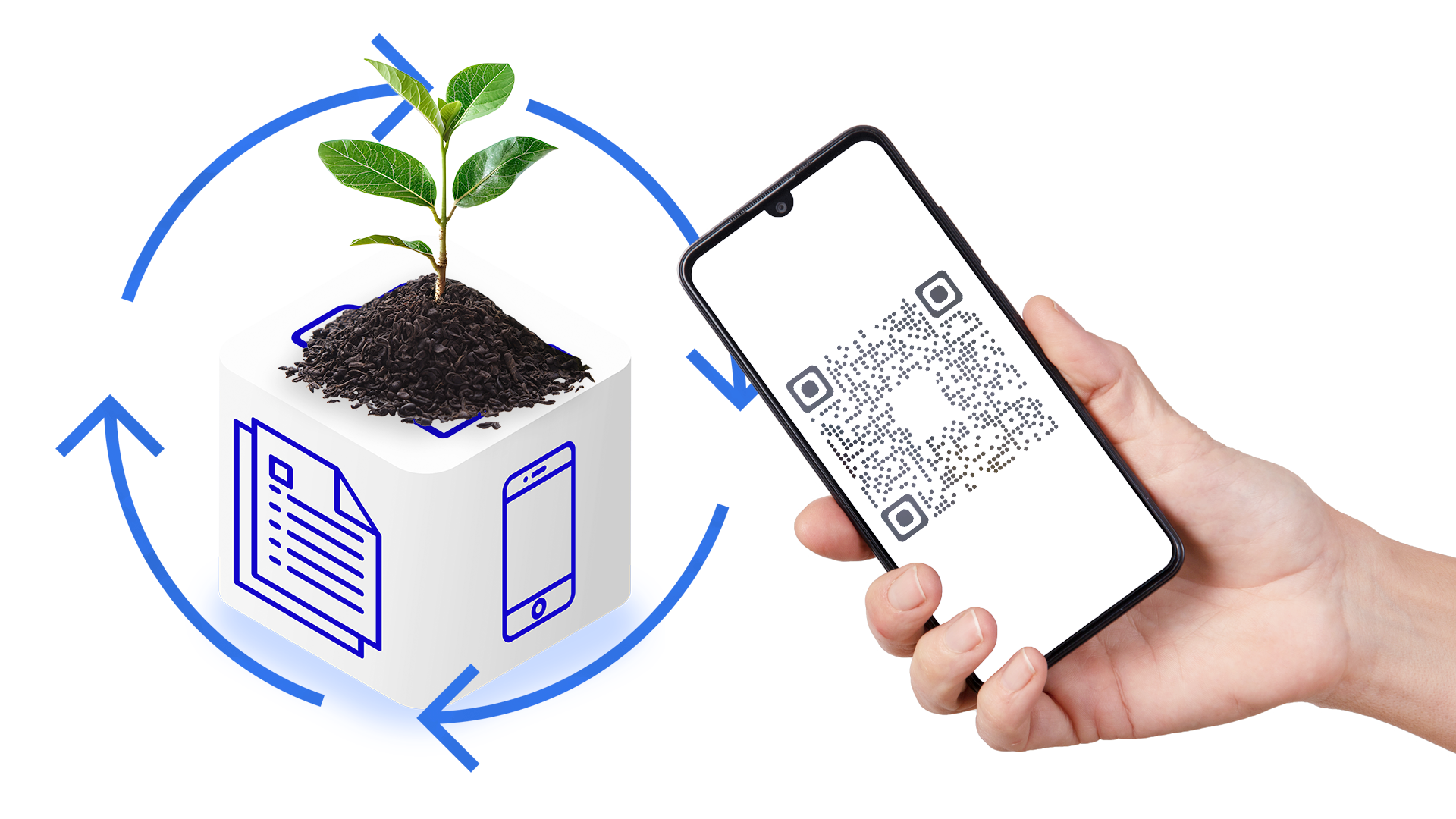
The EU Digital Product Passport Regulation is often seen as just another compliance headache. But with the right approach, it can become a powerful new marketing channel that builds trust, drives conversions, and turns regulatory requirements into better sales.
Brands that act now can unlock significant value by using compliance to engage customers in smarter, more meaningful ways.
Discover why sustainability belongs on your roadmap, how to turn the EU Digital Product Passport Regulation into a tool that helps customers buy with confidence, and where to begin.
Why Sustainability Data Matters to Customers
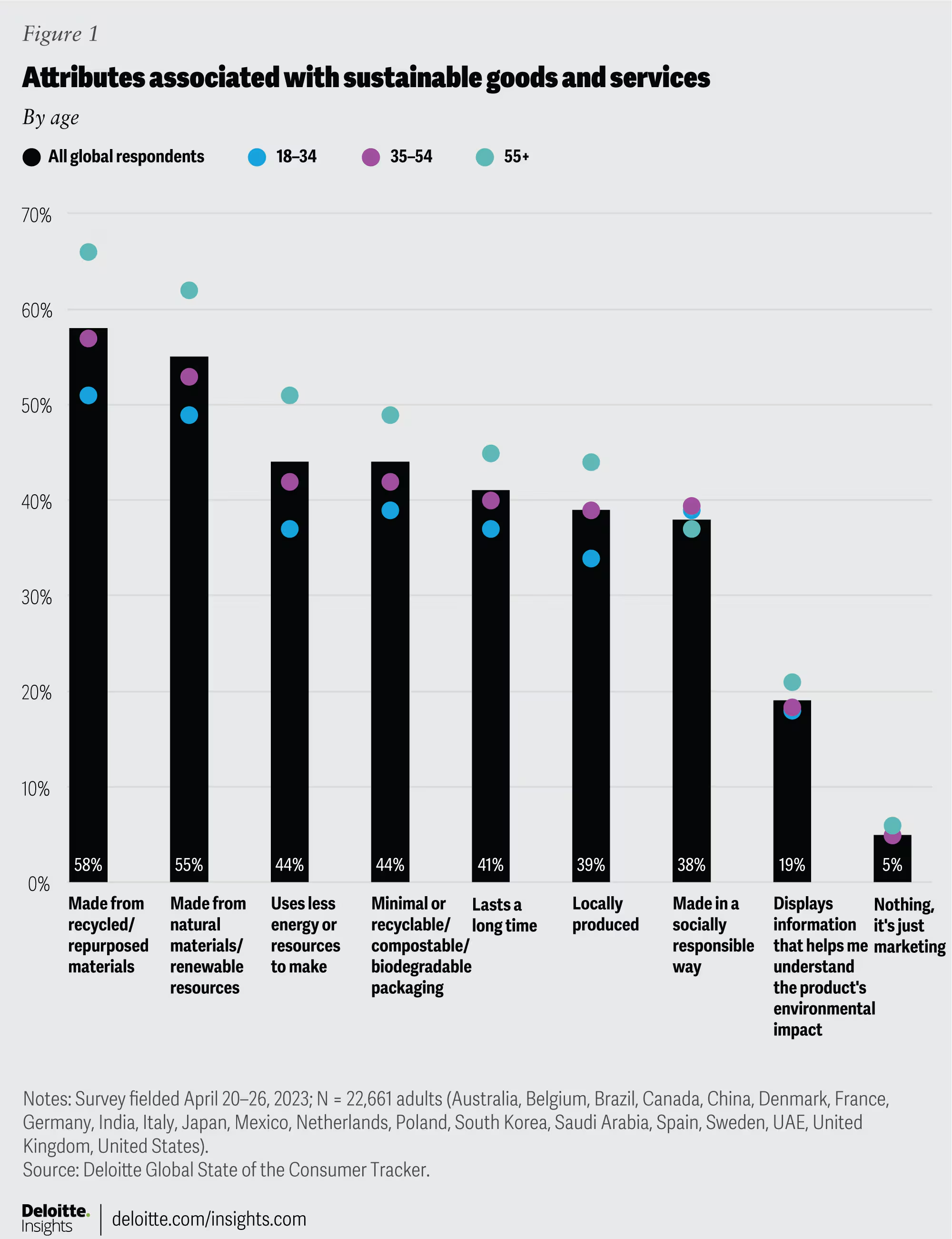
Research shows that most consumers no longer define “green” products through a single lens.
When asked to define what makes a product sustainable, people typically point to several attributes at once. Materials still matter most, especially when they are natural, renewable, recycled, or repurposed, but they are only part of the picture.
Modern consumers demand more than generic green claims. Research highlights that:
-
Shoppers value products for multiple sustainable attributes: natural or recycled materials, ethical sourcing, local production, and low-impact manufacturing.
-
Over 40% of customers consider social responsibility (fair pay, safe working conditions) part of sustainability.
-
Nearly 20% say that having clear, accessible environmental information directly affects their purchasing decision.
Sustainability has become a multi-dimensional, data-driven decision for customers. Brands must meet this demand with transparent, comprehensive product information, exactly what the Digital Product Passport aims to deliver.
What Is the EU Digital Product Passport Regulation?
The EU Digital Product Passport Regulation mandates that products carry a digital record of essential, verifiable data such as materials, origin, certifications, and lifecycle impact. This information must be accessible to customers at the point of sale via digital means, enabling them to make more informed, confident decisions.
In short: The regulation makes sustainability and product information available when it matters most.

Download free e-book
How to Create a Digital Product Passport
From 2026, the regulation will begin to apply to selected product groups, requiring companies to provide structured, detailed information about theproducts they place on the EU market.
What the Digital Product Passport Changes For Customers
The Digital Product Passport fundamentally changes where and when product information shows up. Instead of sustainability data living in reports, PDFs, or hard-to-navigate web pages, it becomes accessible at the exact moment a customer is making a decision.
A single scan reveals structured, consistent information about:
-
what the product is made of
-
where it comes from
-
how it was produced
-
how it should be cared for, repaired, or recycled
This matters because sustainability decisions are rarely black and white. Customers don’t just ask “Is this sustainable?” but “Is this better?” Better than the alternative, better than last time, better aligned with their values.
By making this information easy to access and consistent across products, the Digital Product Passport reduces uncertainty. Customers no longer need to guess which claims are meaningful or which labels can be trusted. The experience shifts from confusion to clarity.
The Role of Product Information Management
Behind every Digital Product Passport there is a lot of product data:
-
materials and components
-
supplier and certification data
-
production locations
-
regulatory attributes
-
care, repair, and reuse instructions
Keeping this information accurate, consistent, and up to date across thousands of products is not a manual task.
For customers, this consistency is non-negotiable. The experience only works if the information holds up everywhere.
A Product Information Management system provides the structure to make that possible. It brings product data together, keeps it aligned across markets and channels, and supports presenting complex information in a clear, well-designed format that customers can actually engage with.
How Transparency Improves Customer Experience
Clear, trustworthy product information reduces decision fatigue.
When customers feel confident in the data they are given, they spend less time questioning claims and more time moving towards a decision. This has a direct impact on conversion, particularly in categories where products look similar and price differences are minimal.
Transparency also changes the emotional dimension of the purchase. When customers understand why a product is more sustainable, not just that it is, the choice feels intentional. This sense of alignment between brand and buyer is a powerful driver of long-term loyalty.
The value extends beyond checkout:
-
guidance on care and repair signals durability
-
access to spare parts or resale options reinforces long-term value
-
lifecycle information supports more responsible ownership
Consistency is what makes transparency believable. When product data differs between packaging, websites, and digital touchpoints, confidence quickly erodes.
By keeping product information aligned across every interaction, Bluestone PIM removes these inconsistencies and delivers a calmer, more coherent customer experience.
From EU Compliance Requirement to Customer Engagement Opportunity
Most regulations define what information must be shared, but they don’t define how that information is experienced.
This is where brands have room to differentiate. A Digital Product Passport can be treated as a static compliance page or it can become a living touchpoint between brand and customer.
Brands can use this moment of engagement to:
-
Provide practical guidance that improves product use
-
Offer repair, resale, or upgrade pathways
-
Invite customers into loyalty programs or brand communities
-
Share deeper stories about design, sourcing, and impact
Every scan represents interest. Ignoring that moment means missing a chance to build trust, relevance, and connection.
Leverage EU Digital Product Passport Regulation
As Digital Product Passports evolve, so will the volume and complexity of required product data. New regulations, new markets, resale models, repair services, and lifecycle extensions all add layers of information that must be managed over time.
Your team can start preparing for the EU Digital Product Passport Regulation by organising product information with PIM software today.
With Bluestone PIM, you can:
-
centralise all Digital Product Passport data in one platform
-
model complex sustainability and regulatory attributes
-
generate QR codes linked to structured product pages
-
ensure consistent information across every market and channel
When customers scan a product, they see a clear, trustworthy view of the information they need to make confident decisions
Experience Bluestone PIM in action. Book your personalised demo today and discover how compliance can become your next competitive advantage.
Best Practices
 Best Practices
19 Oct 2026
3 Best Practices For PIM Implementation
 Best Practices