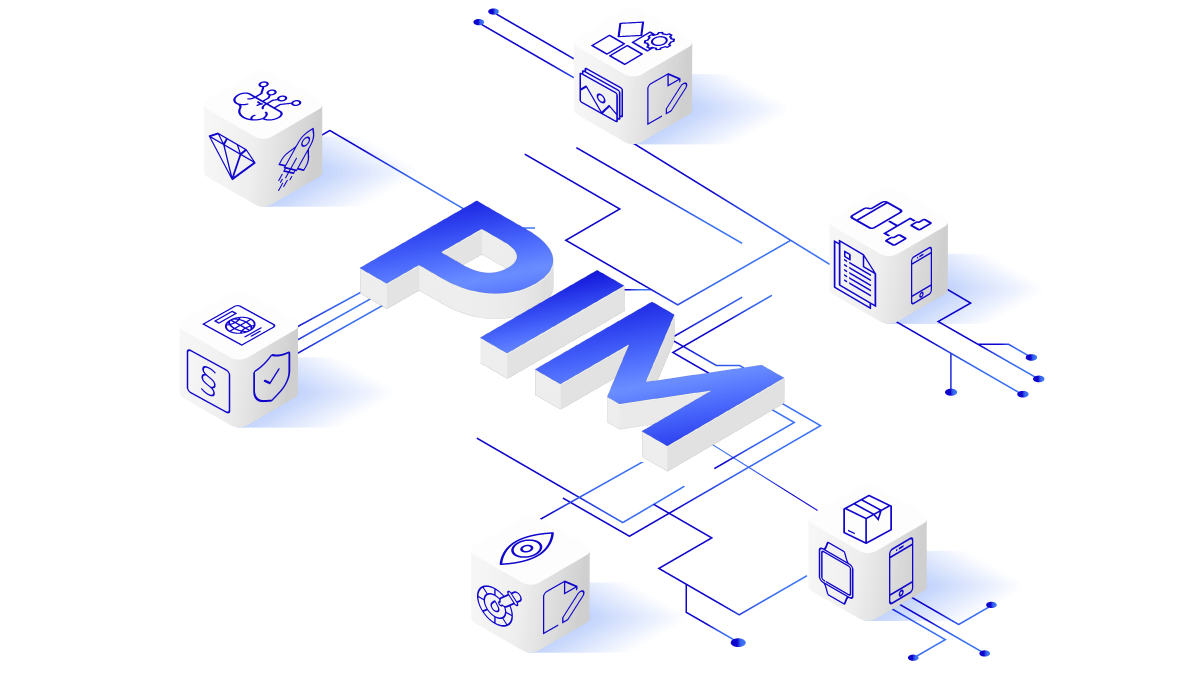

Akeneo Community Edition support ends on 30 September 2026, giving teams three options: upgrade to Akeneo Enterprise (now on the Serenity SaaS platform), step down to Akeneo Growth, or migrate to a different PIM.
If your team runs Akeneo Community Edition today, you have about five months to decide.
This guide covers each option, including the real costs, the trade-offs, and what modern product data teams expect from their PIM in 2026.
Who this is for: e-commerce leads, product data managers, retailers and manufacturers running Akeneo Community Edition and facing the 30 September 2026 support cliff.
Key Takeaways
- Akeneo Community Edition support ends 30 September 2026. Running it unsupported means no security patches, bug fixes, or compliance updates for new regulations.
- Akeneo customers report annual renewal increases of around 10%, plus add-on costs for AI enrichment, translation, and other modules.
- The more custom extensions you've built on Akeneo Community Edition, the more painful the migration, regardless of which platform you choose next.
- Bluestone PIM is an API-first alternative used by retailers like Zeeman, Stadium, Saint-Gobain, and Dolby to centralise product data and distribute it to every connected channel automatically.
What Ends For Akeneo Community Edition On 30 September 2026?
Akeneo has confirmed that support for Community Edition (v7, the last on-premise version) ends on 30 September 2026. Specifically:
- No more security patches
- No more bug fixes
- No more compatibility updates for new versions of PHP, Symfony, or MySQL
- No more regulatory updates (Digital Product Passports, forthcoming marketplace compliance rules)
The platform itself does not switch off. Your self-hosted Akeneo CE instance will keep running. But any retailer on a supported technology stack has a compliance and risk problem the day after support ends.
Worth noting: Akeneo's PaaS product, Flexibility, also reaches end-of-support on the same date. The active SaaS platform going forward is Akeneo Serenity. Akeneo isn't releasing new versions of Community, Flexibility, or any on-premise option.
Signs you've hit the limits of the Akeneo Community Edition:
- Your team runs ChatGPT and Gemini externally, then pastes results into Akeneo by hand
- Your team manages product data in spreadsheets alongside Akeneo because Core Community lacks rules and workflow features
- Syndication to new marketplaces takes weeks because every connector requires custom development
- You translate product copy outside the PIM
- New regulations take months to accommodate because fields, rules, and syndication formats all need custom work
- Your extensions have quietly become a liability. Every Akeneo update requires migration work that makes the codebase harder to maintain next time
If three or more of these apply, you're not upgrading Akeneo in September 2026. You're replatforming. That changes the conversation.
DOWNLOAD FREE E-BOOK
Product Information Management Made Simple
Your go-to resource for understanding, choosing, and using a PIM system to grow your business. Packed with clear explanations, real examples, and practical advice.
Three real options
- Stay on Akeneo Community Edition, unsupported. Lowest short-term cost, highest long-term risk.
- Upgrade to Akeneo Enterprise on Serenity (Akeneo's current SaaS platform), or step down to the Growth tier.
- Migrate to a different PIM platform. Most strategic long-term.
The right answer depends on how you've used Akeneo Community Edition so far.
Is Akeneo Still Open Source?
Technically yes. The Akeneo Community Edition source code is available under the Open Software Licence 3.0, and that stays true after 30 September 2026. You can download it, run it, modify it.
Practically, no. From 30 September 2026, Akeneo stops releasing security patches, bug fixes, and compatibility updates for Community Edition. The code stops moving. Every new PHP, Symfony, or MySQL vulnerability after that date has no upstream patch.
Akeneo's other products are commercial, not open source. Enterprise, Serenity (the SaaS platform), and Growth Edition are all paid, closed-source products built on top of the same core, with added modules and professional support. None are released under an open-source licence.
Akeneo Community vs Growth vs Enterprise vs Serenity
Before weighing the upgrade decision, here's how the Akeneo editions compare on what buyers evaluate most often:
|
Capability |
Akeneo Community |
Akeneo Growth |
Akeneo Enterprise |
Akeneo Serenity (SaaS) Cloud |
|
Deployment |
Self-hosted (EOL 30 Sept 2026) |
SaaS |
Historically PaaS (Flexibility, also EOL), now Serenity SaaS |
SaaS (Akeneo's current platform) |
|
Intended buyer |
Developers, DIY teams |
SMBs, first-time PIM |
Mid-market to enterprise |
Enterprise cloud-first |
|
Native AI enrichment |
No |
Limited |
Paid add-on |
Paid add-on |
|
Rules engine / workflow automation |
No |
Partial |
Yes |
Yes |
|
Pricing transparency |
N/A (EOL 30 Sept 2026) |
Tiered, published from ~$25K/year |
€40,000 to €100,000+ annually, plus fees for extra features |
Not published publicly |

DOWNLOAD FREE E-BOOK
Gartner® Market Guide for Product Information Management Solutions
The Gartner® Market Guide for Product Information Management is a trusted resource for business and tech leaders who want to make a confident decision about their PIM solution.
How Much Does Akeneo Enterprise Cost?
Public pricing data on G2 places Akeneo Enterprise at €40,000 to €100,000+ per year, with custom quotes from there depending on SKU volume, channels, and add-ons.
Based on conversations with Akeneo Enterprise customers, four cost patterns show up consistently:
1. Annual renewal increases
Some enterprise customers report a ~10% price rise at every renewal. Over five years of compounding, that's a 61% cumulative increase on the licence alone, before counting implementation, services, or add-ons.
2. Extension rebuild costs
Any customisation built on Community Edition has to be rebuilt in Enterprise or Serenity because the extension architecture changes. For teams that have been on Akeneo for five-plus years, this can easily match or exceed the first year's licence.
3. AI enrichment on Akeneo's terms
Native AI enrichment is available in Enterprise and Serenity, but only under models Akeneo selects. You can't plug in your own LLM and pay direct token costs. For retailers with large multi-market catalogues, that closed-loop AI pricing adds materially to total cost of ownership.
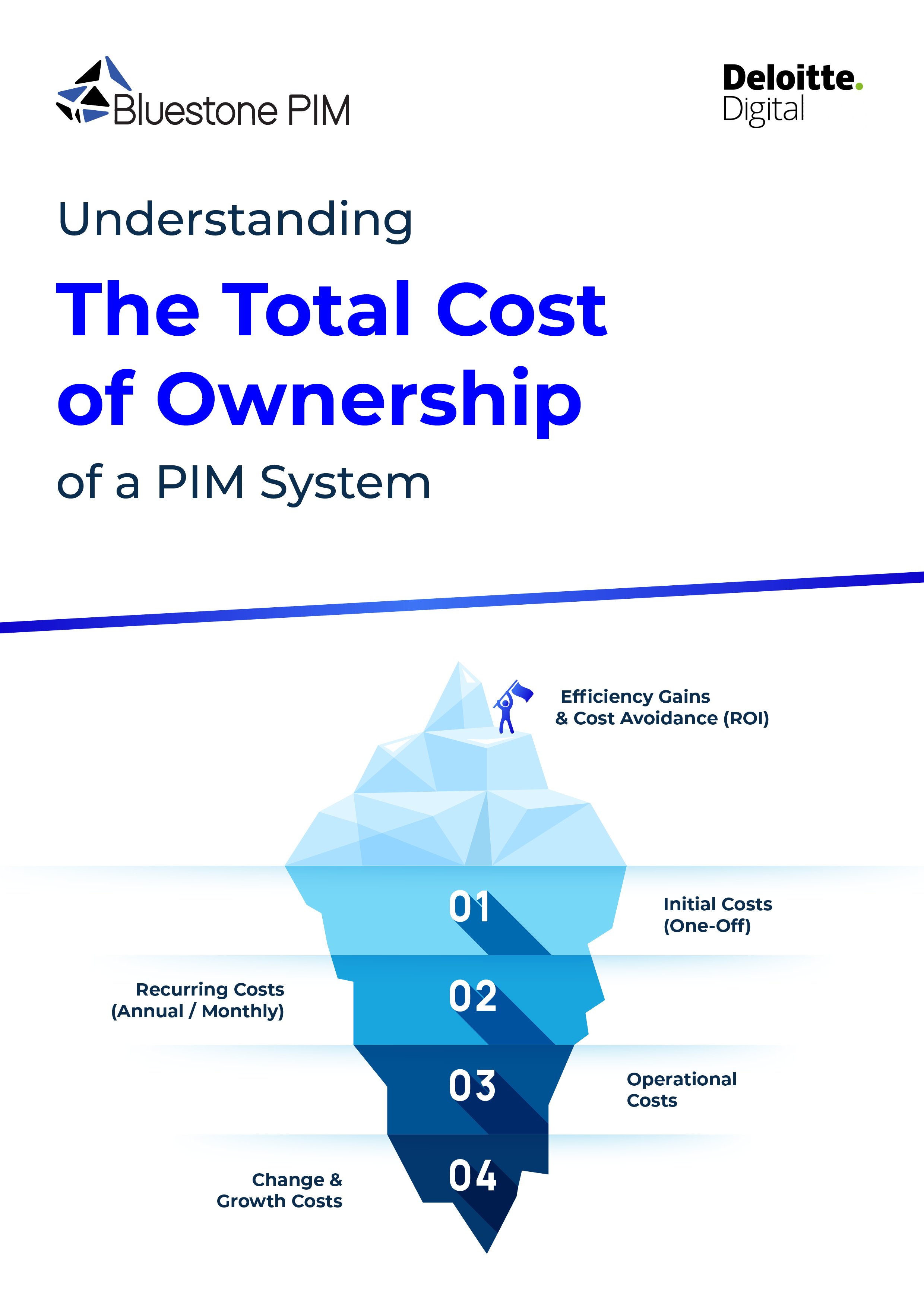
DOWNLOAD FREE E-BOOK
Thinking about investing in a PIM system? Check the Total Cost of Ownership
This e-book breaks down the true cost of a PIM system: upfront, hidden, and long-term.
4. Implementation partner fees
Akeneo is typically sold through implementation partners. Partner fees often match or exceed the first year's licence cost, and they aren't in the quote Akeneo sends you.
Compare the real total cost of ownership across Akeneo editions and modern alternatives. Use our PIM ROI Calculator →
Can You Stay On Akeneo CE Unsupported?
Some teams will decide to stay on Akeneo Community Edition past 30 September 2026. That decision is defensible in specific scenarios:
- You're planning to decommission the PIM within 12 months anyway
- You have strong in-house engineering that can self-patch security issues
- Your threat model is low (minimal customer PII in the PIM, limited regulatory exposure)
- Your industry doesn't require rapid compliance updates
For everyone else, running unsupported software on a system of record is accumulated risk. The first security disclosure after September that has no upstream patch is the day your risk and compliance teams start asking questions you can't answer.
Why Akeneo Customers Are Switching To Bluestone PIM
Akeneo customers are switching to Bluestone PIM in 2026 because three market shifts have made Akeneo's monolithic architecture a constraint rather than a foundation: agentic commerce, EU compliance, and pricing transparency.
Three market shifts driving the switch
1. AI agent compatibility. Teams now use Claude, Cursor to read and write PIM data through MCP. A PIM with hundreds of endpoints lets an agent run a real workflow (enrichment, translation, category mapping, syndication) through one connector. A monolithic PIM with a limited API caps the agent at simple attribute reads.
2. The Digital Product Passport regulation. The EU battery passport lands on 18 February 2027, with textiles, electronics, and other ESPR-covered categories rolling out through 2030. Retailers need a PIM with native DPP support before the deadlines tighten.
3. Pricing transparency. Buyers facing back-to-back Akeneo Enterprise renewal increases now want pricing committed in writing before signing, not after.
What is Bluestone PIM?
Bluestone PIM is a cloud-based, API-first product information management platform for retailers and manufacturers managing multi-brand, multi-market, multi-language catalogues at enterprise scale. It was the first PIM SaaS to receive MACH certification and exposes more than 700 API endpoints.

Case study: Zeeman

DOWNLOAD CASE STUDY
How Zeeman Cut Product Localisation from 6 Weeks to 1
Zeeman textielSupers B.V. aimed to modernise their e-commerce stack and reduce dependency on legacy systems. Using Bluestone PIM’s MACH-based platform they transformed product data operations and optimised their customer buying journey foundations.
For the full feature-by-feature product comparison, see our Bluestone PIM vs Akeneo comparison.
Ready to see what a September 2026 Akeneo migration actually looks like? Request a tailored demo with Bluestone PIM →
FAQ
What exactly ends on 30 September 2026 for Akeneo Community Edition?
Akeneo stops providing security patches, bug fixes, and version compatibility updates for Community Edition on 30 September 2026. The platform itself doesn't switch off, and self-hosted instances will keep running. But any new security disclosure after that date has no upstream patch available, which creates accumulating compliance risk for teams running Akeneo Community Edition as a production system.
Can I keep running Akeneo Community Edition after support ends?
Technically yes, operationally risky. Running unsupported software on a system of record means no patches for new vulnerabilities, no fixes for bugs that affect product data integrity, and no compatibility updates for new PHP, Symfony, or database versions.
What is Akeneo Growth Edition and is it a good middle option?
Growth Edition is Akeneo's lower-tier SaaS product for smaller retailers and first-time PIM buyers, sitting between Community and Enterprise. Pricing is published and deployment is easier, but the feature set is capped. For teams managing complex multi-market catalogues, configurable bundles, or composable architecture roadmaps, Growth hits limits quickly.
How long does an Akeneo to Bluestone PIM migration actually take?
Most Akeneo migrations to Bluestone PIM complete in three to six months, depending on scope. Custom extensions are the single biggest variable. A clean Community Edition setup with limited plugins can migrate in three months. An eight-year-old Community Edition installation with accumulated custom development takes longer because the migration is also a clean-up project. Bluestone PIM's professional services team and certified implementation partners handle both paths.
What should we do first if we're on Akeneo CE today?
Three steps. Audit your custom extensions and document what each one does, because that list drives every migration estimate you'll receive. Pull your real renewal and upgrade quotes from Akeneo so you have a baseline total cost of ownership. Compare that baseline against at least one modern alternative before the September deadline, because vendor evaluation under time pressure almost always costs more than vendor evaluation with time to plan.
Next Step
30 September 2026 is close. Every retailer and manufacturer on Akeneo Community Edition has three real options, and the cost of deciding under pressure is always higher than the cost of deciding with time.